



HEXTECH VS SHIMMER MATRIX

Arcane Character & Faction Alignment Test

Between the golden spires of Piltover and the toxic depths of Zaun, which conviction guides your fate? Answer 12 psychological dilemmas to reveal your true Arcane champion archetype.

⏱️ 4 MINS
📝 12 SCENARIOS
✨ 6 ARCHETYPES

The Six Core Champions

Each represents a tragic tension between duty, trauma, innovation, and freedom.

Jinx

Jinx

Creative Chaos & Trauma

Proving her worth through explosive self-expression

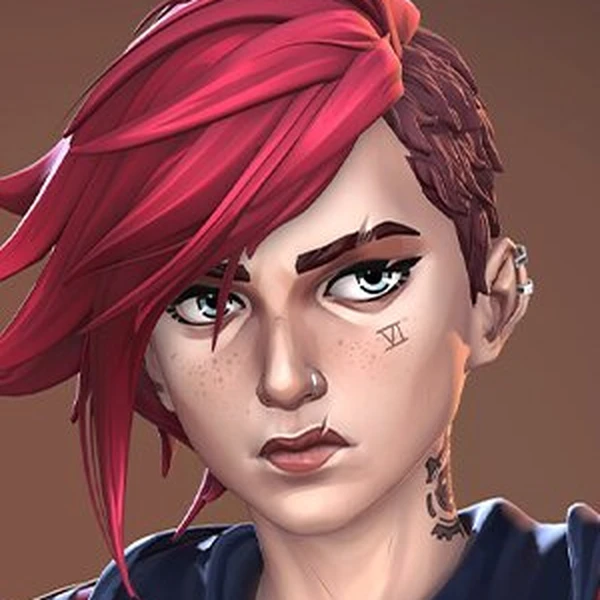
Vi

Vi

Protective Indomitability

Defending those she loves through sheer force of will

Viktor

Viktor

Transcendent Intellect

Eliminating suffering and unlocking human potential

Jayce

Jayce

Ordered Progress

Building a glorious future while navigating moral compromise

Caitlyn

Caitlyn

Principled Insight

Uncovering objective truth and dismantling systemic corruption

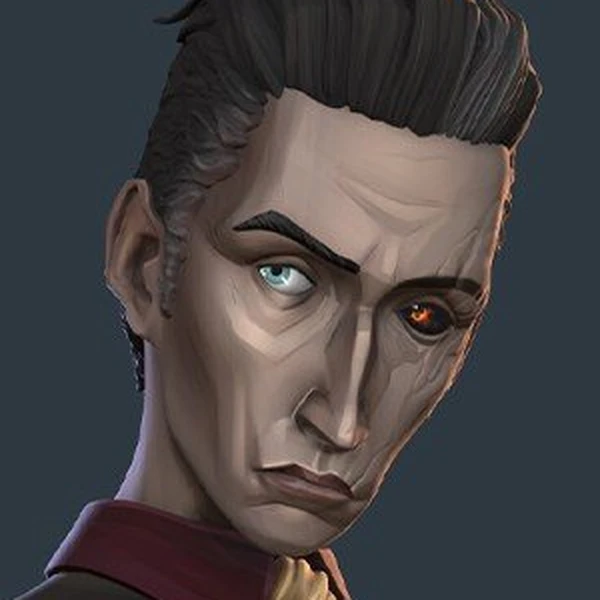
Silco

Silco

Sovereign Conviction

Forging respect and freedom for the marginalized at any cost

Why Take the Arcane Test?

Dual-City Psychological Axis

Analyzes where you land between Piltover's ordered progress and Zaun's fierce survivalism.

Nuanced Moral Dilemmas

No simplistic good vs evil; choices reflect real tradeoffs between sacrifice and idealism.

Cognitive & Traumatic Depth

Assesses resilience, attachment wounds, intellectual curiosity, and systemic defiance.

Hextech Blue & Zaun Glow Result

Download an artfully styled character card with your archetype stats and weapon icons.

FREQUENTLY ASKED QUESTIONS

How does the Arcane Character Test score results?

Every question presents four nuanced decisions derived from Arcane's themes: technological ethics, loyalty vs truth, emotional vulnerability, and systemic sacrifice. Responses distribute weighted affinity scores to Jinx, Vi, Viktor, Jayce, Caitlyn, and Silco.

Does this test cover Season 1 and Season 2 developments?

Yes, character archetypes and traits reflect the complete psychological evolution of each champion across both seasons.

Can I match multiple characters?

While the card highlights your dominant champion archetype, your interactive radar chart will reveal secondary traits and affinities across the entire roster.

ACADEMIC & PSYCHOLOGICAL ESSAY Projective Assessment & Personality Archetypes

Class Stratification, Developmental Trauma, and Dual Identity in Arcane

Arcane provides a profound exploration into systemic inequality, survivor guilt, and the splintering of personal identity under acute developmental trauma in the twin societies of Piltover and Zaun.

01

Jinx (Powder): Borderline Fragmentation, Survivor Guilt, and Destructive Coping

Powder's transformation into Jinx illustrates the catastrophic psychological impact of childhood survivor guilt compounded by sudden parental and fraternal abandonment. Her identity splinters as she weaponizes manic creativity and lethal technology to overpower her pervasive sense of vulnerability, seeking unconditional mirroring in authority figures like Silco.

02

Vi: Somatic Resilience, Protective Super-Ego, and Defensive Combativeness

Vi exemplifies somatic psychological resilience. Internalizing the responsibility to protect her younger sister from an early age, Vi channels profound grief and anger into physical confrontation and steadfast moral determination, struggling to acknowledge her own emotional exhaustion until soothed by safe intimacy.

03

Viktor and Jayce: The Ethical Paradox of Innovation and Mortality

Viktor and Jayce dramatize the moral tension between mortal desperation and institutional privilege. Viktor's chronic terminal illness fuels his relentless quest for evolutionary transcendence through Hexcore augmentation, embodying the existential drive to overcome biological decay at profound ethical costs.

Psychometric Framework & Projective Methodology

Projective personality testing operates on the psychoanalytic hypothesis established by Hermann Rorschach and Henry Murray: when individuals evaluate fictional scenarios and ambiguous narrative choices, they project their subconscious values, attachment insecurities, and emotional defense mechanisms onto fictional avatars. In this assessment, behavioral choices are mapped across five standardized psychometric domains: Openness, Conscientiousness, Extraversion, Agreeableness, and Neuroticism (Costa & McCrae, 1992), integrated with John Bowlby's internal working models of relational attachment.

Academic References & Citations

  1. Bowlby, J. (1982). Attachment and Loss: Vol. 1. Attachment (2nd ed.). Basic Books. [Attachment Theory & Internal Working Models]
  2. Ainsworth, M. D. S., Blehar, M. C., Waters, E., & Wall, S. (1978). Patterns of Attachment: A Psychological Study of the Strange Situation. Lawrence Erlbaum. [Classification of Relational Attachment Styles]
  3. Costa, P. T., & McCrae, R. R. (1992). Revised NEO Personality Inventory (NEO-PI-R) and NEO Five-Factor Inventory (NEO-FFI) Professional Manual. Psychological Assessment Resources. [The Five-Factor Model of Personality (OCEAN)]
  4. Jung, C. G. (1953). Two Essays on Analytical Psychology. Collected Works, Vol. 7. Princeton University Press. [Archetypes, Complexes, and the Shadow Self]
  5. Frankl, V. E. (1959). Man's Search for Meaning. Beacon Press. [Existential Psychology & Meaning Reconstruction]
  6. Yalom, I. D. (1980). Existential Psychotherapy. Basic Books. [Core Existential Anxieties: Isolation, Freedom, and Meaninglessness]
  7. Peterson, C., & Seligman, M. E. (2004). Character Strengths and Virtues: A Handbook and Classification. Oxford University Press. [VIA Classification of Strengths & Virtues]

Legal & Educational Notice: CharacterTest.org is an independent psychological research and educational platform. All character names, scenarios, and intellectual properties regarding Arcane belong exclusively to their respective creators and copyright holders. This assessment and accompanying psychological commentary are created strictly under Fair Use provisions (17 U.S.C. § 107) for transformative, non-commercial cultural critique, self-reflection, and psychological education.