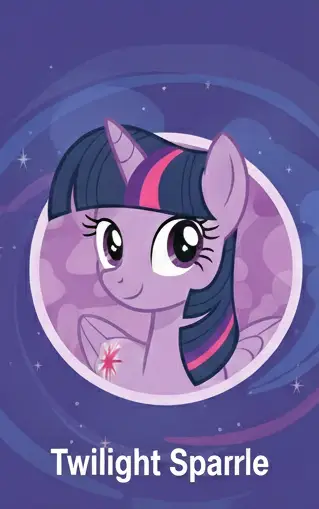
Twilight Sparkle
Magia, estrategia y amor por el conocimiento.
Haz match con la Mane Six en este test de My Little Pony y revela el elemento de armonía que guía tus decisiones.
Seis personalidades clave, seis elementos, una historia compartida.
Magia, estrategia y amor por el conocimiento.
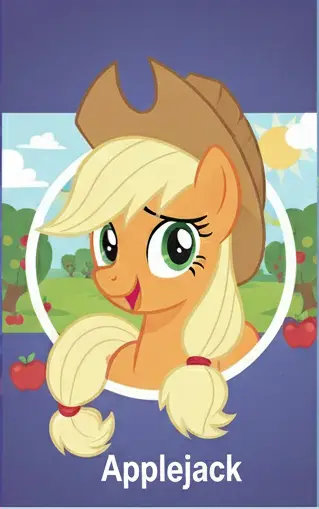
Honestidad, garra y responsabilidad constante.

Lealtad, velocidad y ambición valiente.
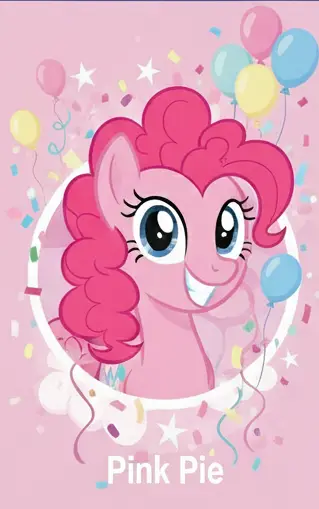
Risas, calidez y optimismo imparable.
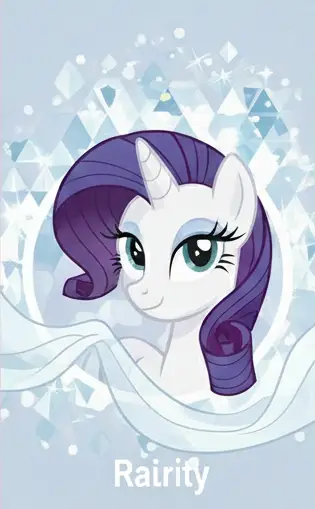
Generosidad, estilo y brillo creativo.
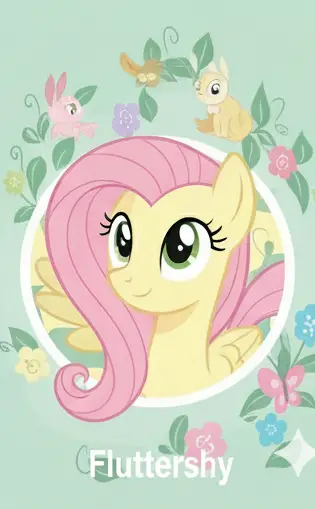
Amabilidad, empatía y fuerza tranquila.
Cada respuesta se vincula a un elemento de armonía para una alineación clara.
Las preguntas equilibran intuición, lógica y energía relacional para matches más profundos.
Un test compacto que aun así capta matices.
Obtén una página de resultados visual para compartir con amigos.
Comprende tu impulso, fortalezas y puntos sensibles.
Termina en minutos con un resumen cinematográfico.
Vincula tus respuestas con el elemento que mejor encaja con tu resultado.
Cada resultado del test corresponde a uno de los seis arquetipos.
No. Es un match de personalidad hecho por fans inspirado en los arquetipos de la Mane Six.
Cada respuesta suma puntos ponderados a un perfil y luego un desempate afina el match.
Sí. Los resultados se calculan al momento y puedes repetir este test cuando quieras.
Son 18 preguntas y suele tomar menos de 6 minutos.
El test de My Little Pony se centra en la Mane Six: Twilight Sparkle, Applejack, Rainbow Dash, Pinkie Pie, Rarity y Fluttershy.
Sí. El test de My Little Pony es gratis y ofrece resultados instantáneos.
Una mirada más larga a por qué el test de My Little Pony conecta con fans que quieren más que un quiz rápido.
Este test de My Little Pony está construido alrededor de la Mane Six y los Elementos de la Armonía, así que cada pregunta apunta a un núcleo de personaje claro. En lugar de un resultado aleatorio, el test usa respuestas ponderadas que refuerzan cómo respondes a liderazgo, amistad, responsabilidad y presión creativa.
Esa estructura hace que el test se sienta consistente. Si te inclinas por el detalle, la disciplina y la planificación, el test te guía hacia Twilight Sparkle o Applejack. Si respondes por impulso, diversión o visibilidad, el test eleva a Rainbow Dash o Pinkie Pie. Es un camino legible, no una suposición.
Un buen test de My Little Pony debe capturar el tono emocional de la serie. La Mane Six no son solo arquetipos; son formas de relacionarse con la comunidad, y este test lo refleja con preguntas sobre apoyo, honestidad, lealtad y amabilidad.
Como el test combina señales tipo MBTI con los elementos de armonía, puedes ver cómo tu estilo afecta la colaboración. Algunas personas lo hacen por diversión, otras para iniciar conversaciones en equipos, clases o fandoms.
Tu resultado del test incluye un perfil de afinidad que te compara con cada personaje de la Mane Six. También muestra rasgos clave y un foco de armonía que resume tu elemento dominante.
Si repites el test, puedes ver cómo cambian tus matches según el contexto. Eso es normal. El test está diseñado para mostrar un espectro y ayudarte a reconocer qué energía está más activa en ti ahora.
Empieza el test de My Little Pony y revela la energía de la Mane Six que llevas.
My Little Pony: Friendship is Magic constructs a balanced moral and psychological ecosystem directly congruent with the Five-Factor Model of Personality (Costa & McCrae) and positive psychology character strengths (Seligman & Peterson).
Twilight Sparkle personifies exceptionally high Conscientiousness and Openness to Experience. Anchored by the Element of Magic, she navigates the world through empirical observation, structured checklists, and rational analysis. Under acute cognitive overload, she experiences intense epistemic anxiety ('twilighting'), illustrating how high-achieving perfectionists require emotional self-compassion when unpredictable reality defies orderly models.
Fluttershy represents the psychological archetype of high Sensory-Processing Sensitivity and extreme Agreeableness (Element of Kindness). She excels at deciphering delicate emotional and somatic cues. Her developmental trajectory showcases the vital distinction between passive compliance and authentic kindness rooted in principled boundaries and moral courage.
Rainbow Dash embodies high Extraversion, athletic competitiveness, and the Element of Loyalty. While projecting a fearless, swaggering exterior, she harbors vulnerability regarding performance failure. Her developmental milestones consistently demonstrate that authentic leadership involves subordinating personal ego to collective solidarity.
Pinkie Pie personifies the psychological power of playfulness and the Element of Laughter. Possessing immense emotional contagion, she uses humor and spontaneous joy as an active coping mechanism against melancholy. Her character highlights the balance between uplifting community morale and acknowledging legitimate grief without compulsive distraction.
Applejack (Honesty) and Rarity (Generosity) illustrate the dialectic between grounded utilitarian ethics and aesthetic elevation. Applejack provides unshakable pragmatic stability, while Rarity transforms raw materials into beauty and elevated self-esteem. Together, they demonstrate how diverse temperaments create an emotionally resilient, self-correcting community.
Projective personality testing operates on the psychoanalytic hypothesis established by Hermann Rorschach and Henry Murray: when individuals evaluate fictional scenarios and ambiguous narrative choices, they project their subconscious values, attachment insecurities, and emotional defense mechanisms onto fictional avatars. In this assessment, behavioral choices are mapped across five standardized psychometric domains: Openness, Conscientiousness, Extraversion, Agreeableness, and Neuroticism (Costa & McCrae, 1992), integrated with John Bowlby's internal working models of relational attachment.