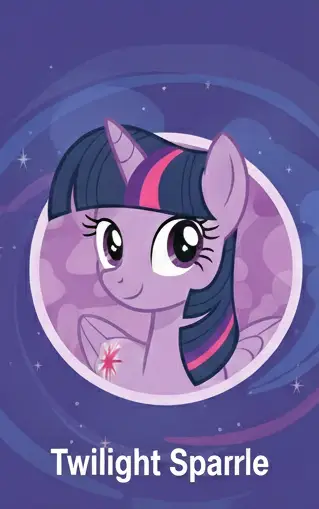
Twilight Sparkle
Magia, strategia e amore per la conoscenza.
Abbina i tuoi tratti alla Mane Six in questo test My Little Pony e scopri l'elemento di armonia che guida le tue scelte.
Sei personalità centrali, sei elementi, una sola storia.
Magia, strategia e amore per la conoscenza.
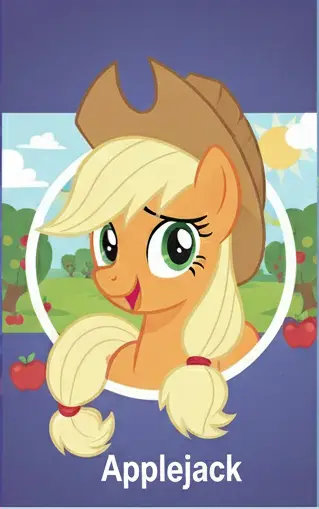
Onestà, grinta e responsabilità costante.

Lealtà, velocità e ambizione coraggiosa.
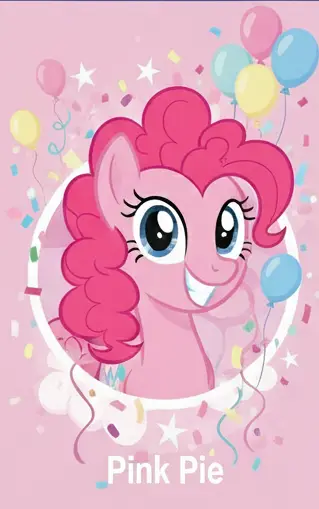
Risate, calore e ottimismo senza freni.
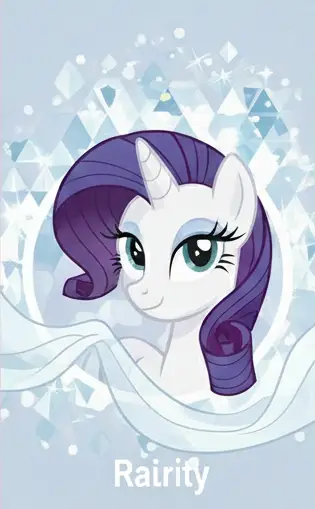
Generosità, gusto e scintilla creativa.
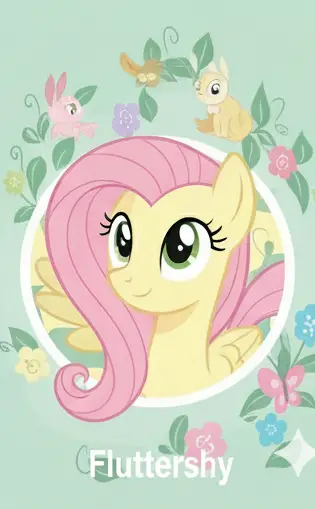
Gentilezza, empatia e forza delicata.
Ogni risposta si lega a un elemento di armonia per un allineamento chiaro.
Le domande bilanciano intuizione, logica ed energia relazionale per match più profondi.
Un test compatto che cattura comunque le sfumature.
Ottieni una pagina di risultati visiva da condividere con gli amici.
Comprendi il tuo slancio, i punti di forza e le zone delicate.
Finisci in pochi minuti con un riepilogo cinematografico.
Collega le tue risposte all'elemento che si adatta meglio al tuo risultato.
Ogni risultato del test corrisponde a uno dei sei archetipi.
No. è un match di personalità creato dai fan e ispirato agli archetipi della Mane Six.
Ogni risposta aggiunge punti ponderati a un profilo, poi un tie-break affina il match.
Sì. I risultati sono calcolati al momento e puoi ripetere il test quando vuoi.
Sono 18 domande e di solito si finisce in meno di 6 minuti.
Il test My Little Pony si concentra sulla Mane Six: Twilight Sparkle, Applejack, Rainbow Dash, Pinkie Pie, Rarity e Fluttershy.
Sì. Il test My Little Pony è gratuito e dà risultati immediati.
Uno sguardo più lungo sul perché il test di My Little Pony piace a chi vuole più di un quiz rapido.
Questo test di My Little Pony è costruito intorno alla Mane Six e agli Elementi dell'Armonia, quindi ogni domanda punta a un nucleo chiaro. Invece di una scelta casuale, il test usa risposte ponderate che rafforzano come reagisci a leadership, amicizia, responsabilità e pressione creativa.
Questa struttura rende il test coerente. Se tendi a dettaglio, disciplina e pianificazione, il test ti guida verso Twilight Sparkle o Applejack. Se rispondi per impulso, divertimento o visibilità, il test spinge Rainbow Dash o Pinkie Pie. è un percorso leggibile, non un azzardo.
Un buon test di My Little Pony deve catturare il tono emotivo della serie. La Mane Six non sono solo archetipi; sono modi di relazionarsi alla comunità, e questo test lo riflette con domande su supporto, onest?, lealt? e gentilezza.
Poiché il test mescola segnali in stile MBTI con gli elementi di armonia, puoi vedere come il tuo stile influisce sulla collaborazione. Alcuni lo fanno per divertimento, altri per aprire conversazioni in team, classi o fandom.
Il risultato include un profilo di affinità che ti confronta con ogni personaggio della Mane Six. Il test mostra anche alcuni tratti chiave e un focus armonia che riassume il tuo elemento più forte.
Se rifai il test, potresti vedere come contesti diversi cambiano il tuo match. è normale. Il test è pensato per mostrare uno spettro e aiutarti a capire quale energia è più attiva ora.
Inizia il test di My Little Pony e rivela l'energia della Mane Six che porti dentro.
My Little Pony: Friendship is Magic constructs a balanced moral and psychological ecosystem directly congruent with the Five-Factor Model of Personality (Costa & McCrae) and positive psychology character strengths (Seligman & Peterson).
Twilight Sparkle personifies exceptionally high Conscientiousness and Openness to Experience. Anchored by the Element of Magic, she navigates the world through empirical observation, structured checklists, and rational analysis. Under acute cognitive overload, she experiences intense epistemic anxiety ('twilighting'), illustrating how high-achieving perfectionists require emotional self-compassion when unpredictable reality defies orderly models.
Fluttershy represents the psychological archetype of high Sensory-Processing Sensitivity and extreme Agreeableness (Element of Kindness). She excels at deciphering delicate emotional and somatic cues. Her developmental trajectory showcases the vital distinction between passive compliance and authentic kindness rooted in principled boundaries and moral courage.
Rainbow Dash embodies high Extraversion, athletic competitiveness, and the Element of Loyalty. While projecting a fearless, swaggering exterior, she harbors vulnerability regarding performance failure. Her developmental milestones consistently demonstrate that authentic leadership involves subordinating personal ego to collective solidarity.
Pinkie Pie personifies the psychological power of playfulness and the Element of Laughter. Possessing immense emotional contagion, she uses humor and spontaneous joy as an active coping mechanism against melancholy. Her character highlights the balance between uplifting community morale and acknowledging legitimate grief without compulsive distraction.
Applejack (Honesty) and Rarity (Generosity) illustrate the dialectic between grounded utilitarian ethics and aesthetic elevation. Applejack provides unshakable pragmatic stability, while Rarity transforms raw materials into beauty and elevated self-esteem. Together, they demonstrate how diverse temperaments create an emotionally resilient, self-correcting community.
Projective personality testing operates on the psychoanalytic hypothesis established by Hermann Rorschach and Henry Murray: when individuals evaluate fictional scenarios and ambiguous narrative choices, they project their subconscious values, attachment insecurities, and emotional defense mechanisms onto fictional avatars. In this assessment, behavioral choices are mapped across five standardized psychometric domains: Openness, Conscientiousness, Extraversion, Agreeableness, and Neuroticism (Costa & McCrae, 1992), integrated with John Bowlby's internal working models of relational attachment.