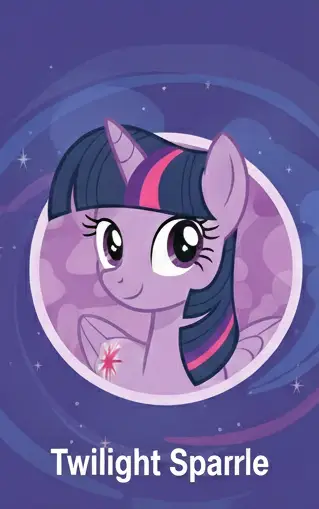
Twilight Sparkle
Magia, estratégia e amor pelo conhecimento.
Faça match com a Mane Six neste teste de My Little Pony e revele o elemento de harmonia que guia suas decisões.
Seis personalidades centrais, seis elementos, uma história só.
Magia, estratégia e amor pelo conhecimento.
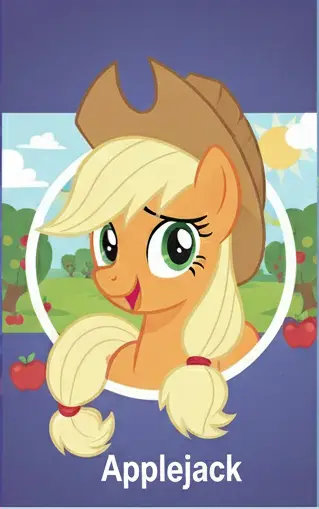
Honestidade, garra e responsabilidade constante.

Lealdade, velocidade e ambição destemida.
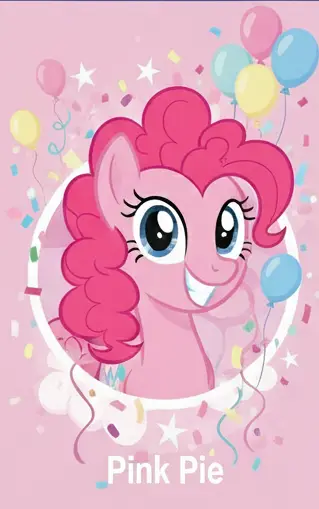
Riso, calor e otimismo sem freio.
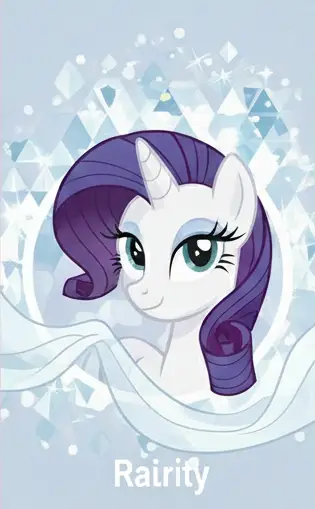
Generosidade, estilo e brilho criativo.
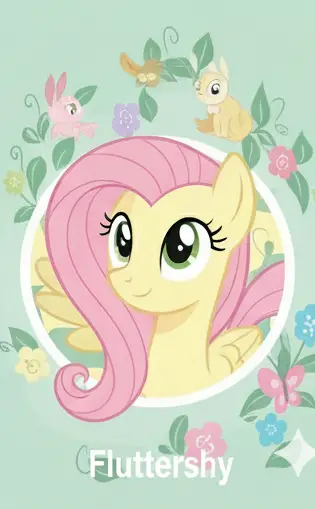
Gentileza, empatia e força suave.
Cada resposta se liga a um elemento de harmonia para um alinhamento claro.
As perguntas equilibram intuição, lógica e energia relacional para matches mais profundos.
Um teste compacto que ainda captura nuances.
Receba uma página de resultado visual para compartilhar com amigos.
Entenda seu impulso, forças e pontos sensíveis.
Termine em minutos com um resumo cinematográfico.
Conecte suas respostas ao elemento que melhor combina com seu resultado.
Cada resultado do teste corresponde a um dos seis arquétipos.
Não. é um match de personalidade feito por fãs inspirado nos arquétipos da Mane Six.
Cada resposta soma pontos ponderados a um perfil, e um desempate refina o match.
Sim. Os resultados são calculados na hora e você pode refazer o teste quando quiser.
São 18 perguntas e geralmente leva menos de 6 minutos.
O teste de My Little Pony foca na Mane Six: Twilight Sparkle, Applejack, Rainbow Dash, Pinkie Pie, Rarity e Fluttershy.
Sim. O teste de My Little Pony é gratuito e dá resultado imediato.
Um olhar mais longo sobre por que o teste de My Little Pony conecta com fãs que querem mais do que um quiz rápido.
Este teste de My Little Pony é construído em torno da Mane Six e dos Elementos de Harmonia, então cada pergunta aponta para um núcleo claro. Em vez de um palpite aleatório, o teste usa respostas ponderadas que reforçam como você reage a liderança, amizade, responsabilidade e pressão criativa.
Essa estrutura deixa o teste consistente. Se você tende a detalhe, disciplina e planejamento, o teste te leva a Twilight Sparkle ou Applejack. Se responde por impulso, diversão ou visibilidade, o teste destaca Rainbow Dash ou Pinkie Pie. é um caminho legível, não um chute.
Um bom teste de My Little Pony deve captar o tom emocional da série. A Mane Six não é só arquétipo; é jeito de se relacionar com a comunidade, e este teste reflete isso com perguntas sobre apoio, honestidade, lealdade e gentileza.
Como o teste mistura sinais estilo MBTI com os elementos de harmonia, dá para ver como seu estilo afeta a colaboração. Alguns fazem por diversão, outros para abrir conversa em equipes, salas de aula ou fandoms.
Seu resultado inclui um perfil de afinidade que te compara com cada personagem da Mane Six. O teste também mostra alguns destaques e um foco de harmonia que resume seu elemento mais forte.
Se você refizer o teste, pode ver como contextos diferentes mudam seu match. Isso é esperado. O teste foi feito para mostrar um espectro e ajudar você a reconhecer qual energia está mais ativa agora.
Comece o teste de My Little Pony e revele a energia da Mane Six que você carrega.
My Little Pony: Friendship is Magic constructs a balanced moral and psychological ecosystem directly congruent with the Five-Factor Model of Personality (Costa & McCrae) and positive psychology character strengths (Seligman & Peterson).
Twilight Sparkle personifies exceptionally high Conscientiousness and Openness to Experience. Anchored by the Element of Magic, she navigates the world through empirical observation, structured checklists, and rational analysis. Under acute cognitive overload, she experiences intense epistemic anxiety ('twilighting'), illustrating how high-achieving perfectionists require emotional self-compassion when unpredictable reality defies orderly models.
Fluttershy represents the psychological archetype of high Sensory-Processing Sensitivity and extreme Agreeableness (Element of Kindness). She excels at deciphering delicate emotional and somatic cues. Her developmental trajectory showcases the vital distinction between passive compliance and authentic kindness rooted in principled boundaries and moral courage.
Rainbow Dash embodies high Extraversion, athletic competitiveness, and the Element of Loyalty. While projecting a fearless, swaggering exterior, she harbors vulnerability regarding performance failure. Her developmental milestones consistently demonstrate that authentic leadership involves subordinating personal ego to collective solidarity.
Pinkie Pie personifies the psychological power of playfulness and the Element of Laughter. Possessing immense emotional contagion, she uses humor and spontaneous joy as an active coping mechanism against melancholy. Her character highlights the balance between uplifting community morale and acknowledging legitimate grief without compulsive distraction.
Applejack (Honesty) and Rarity (Generosity) illustrate the dialectic between grounded utilitarian ethics and aesthetic elevation. Applejack provides unshakable pragmatic stability, while Rarity transforms raw materials into beauty and elevated self-esteem. Together, they demonstrate how diverse temperaments create an emotionally resilient, self-correcting community.
Projective personality testing operates on the psychoanalytic hypothesis established by Hermann Rorschach and Henry Murray: when individuals evaluate fictional scenarios and ambiguous narrative choices, they project their subconscious values, attachment insecurities, and emotional defense mechanisms onto fictional avatars. In this assessment, behavioral choices are mapped across five standardized psychometric domains: Openness, Conscientiousness, Extraversion, Agreeableness, and Neuroticism (Costa & McCrae, 1992), integrated with John Bowlby's internal working models of relational attachment.