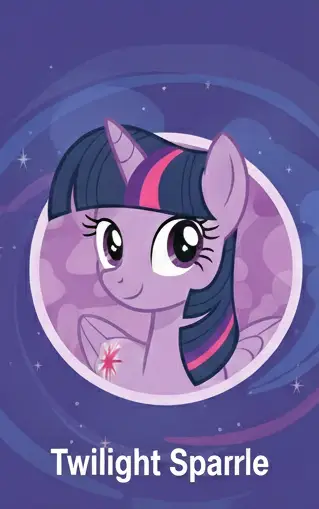
Твайлайт Спаркл
Магия, стратегия, знания.
Сопоставь черты с Mane Six и раскрой элемент гармонии.
6 личностей, 6 элементов, одна история.
Магия, стратегия, знания.
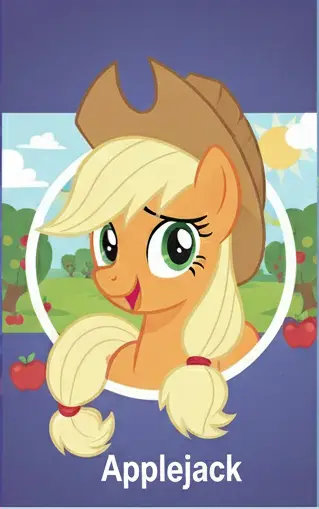
Честность, упорство, ответственность.

Верность, скорость, амбиции.

Смех, тепло, оптимизм.

Щедрость, вкус, творчество.

Доброта, эмпатия, мягкая сила.
Ответы связаны с элементами.
Баланс интуиции и логики.
Компактный тест с нюансами.
Визуальные результаты.
Драйв, сильные стороны, слабости.
За минуты.
Связь с элементом.
6 основных архетипов.
Нет, фанатский по Mane Six.
Взвешенные очки + тай-брейкер.
Да, в любое время.
18 вопросов, менее 6 минут.
Mane Six: Twilight, Applejack, Rainbow, Pinkie, Rarity, Fluttershy.
Да, мгновенные результаты.
Почему тест резонирует с фанатами.
Построен вокруг Mane Six и элементов гармонии.
Последовательная структура ведёт к чёткому результату.
Передаёт эмоциональный тон шоу.
MBTI + гармония для понимания сотрудничества.
Профиль близости ко всем персонажам.
Спектр показывает активную энергию.
Начни тест и раскрой энергию Mane Six.
My Little Pony: Friendship is Magic constructs a balanced moral and psychological ecosystem directly congruent with the Five-Factor Model of Personality (Costa & McCrae) and positive psychology character strengths (Seligman & Peterson).
Twilight Sparkle personifies exceptionally high Conscientiousness and Openness to Experience. Anchored by the Element of Magic, she navigates the world through empirical observation, structured checklists, and rational analysis. Under acute cognitive overload, she experiences intense epistemic anxiety ('twilighting'), illustrating how high-achieving perfectionists require emotional self-compassion when unpredictable reality defies orderly models.
Fluttershy represents the psychological archetype of high Sensory-Processing Sensitivity and extreme Agreeableness (Element of Kindness). She excels at deciphering delicate emotional and somatic cues. Her developmental trajectory showcases the vital distinction between passive compliance and authentic kindness rooted in principled boundaries and moral courage.
Rainbow Dash embodies high Extraversion, athletic competitiveness, and the Element of Loyalty. While projecting a fearless, swaggering exterior, she harbors vulnerability regarding performance failure. Her developmental milestones consistently demonstrate that authentic leadership involves subordinating personal ego to collective solidarity.
Pinkie Pie personifies the psychological power of playfulness and the Element of Laughter. Possessing immense emotional contagion, she uses humor and spontaneous joy as an active coping mechanism against melancholy. Her character highlights the balance between uplifting community morale and acknowledging legitimate grief without compulsive distraction.
Applejack (Honesty) and Rarity (Generosity) illustrate the dialectic between grounded utilitarian ethics and aesthetic elevation. Applejack provides unshakable pragmatic stability, while Rarity transforms raw materials into beauty and elevated self-esteem. Together, they demonstrate how diverse temperaments create an emotionally resilient, self-correcting community.
Projective personality testing operates on the psychoanalytic hypothesis established by Hermann Rorschach and Henry Murray: when individuals evaluate fictional scenarios and ambiguous narrative choices, they project their subconscious values, attachment insecurities, and emotional defense mechanisms onto fictional avatars. In this assessment, behavioral choices are mapped across five standardized psychometric domains: Openness, Conscientiousness, Extraversion, Agreeableness, and Neuroticism (Costa & McCrae, 1992), integrated with John Bowlby's internal working models of relational attachment.